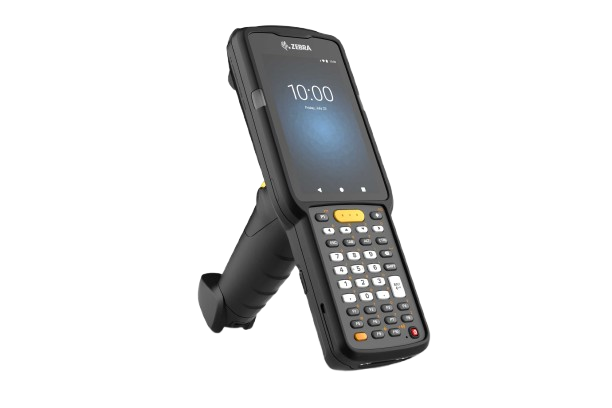
IoT Water Monitor
This project involves the development of a low-power device designed to monitor water parameters and transmit data to a centralised cloud-based solution.
-
Tech: Database, Portal, API, Firmware

-
Time: 5 months

-
Languages: JavaScript, PHP, MySQL, Java, C

-
Industry: IoT & Sensor Solutions

Let's chat about your next project

The Brief
The project focused on creating a cost-effective water level sensor capable of measuring water level and temperature, transmitting data daily via GSM, and operating on battery power with a 24-month lifespan. Power efficiency was crucial to meet these requirements.
The sensor also needed an intuitive online platform for users to access, analyse, and download data securely. Over-the-air updates ensured long-term reliability, and a 24-month data retention capability allowed access to historical data for informed decision-making.
Key Requirements:
- Power Efficiency: All electronics must be optimised for low power consumption to ensure the battery meets the 24-month operational target.
- Data Transmission: The sensor should transmit data daily to users via GSM, even in remote locations.
- Secure Data Access: Users must have access to a secure online portal to download and review data at any time.
- Over-the-Air Updates: The device must support secure firmware updates to ensure reliability and adaptability over time.
- Data Retention: Users must be able to access up to 24 months of historical data.
Our Approach

Our system is designed with a dual-board architecture to optimise power usage effectively. The bottom board focuses on continuous data collection and battery monitoring throughout the day, while the top board is dedicated to GSM communication. To conserve energy, the top board remains inactive for most of the day, only waking up briefly to upload data and check for updates. This design leverages the fact that GSM communication is power-intensive, whereas the bottom board operates with significantly lower power requirements and wakes more frequently.
The firmware for both boards has been carefully optimised for low power consumption. Tasks are executed efficiently, ensuring the boards quickly return to sleep mode after completing their operations. The bottom board is programmed in C, while the top board uses Java, reflecting tailored solutions for their respective tasks. Rigorous in-house testing validated the device's performance, including placing it in a Faraday cage to simulate GSM interruptions. The system reliably collected and stored data under these conditions, successfully recovering and uploading the data the following day.
Once uploaded, customers can access their data through an intuitive online portal. The portal provides secure storage, allowing users to view, analyse, and download their data at any time. This ensures full transparency and empowers users to make informed, data-driven decisions with ease.
The Solution
We created a custom MySQL-based database to efficiently store and manage sensor data, serving as the system's core. This database facilitates seamless interaction between all system components, ensuring data accuracy and real-time updates. Its design focuses on scalability, security, and performance, enabling it to handle growing sensor demands. By integrating this database, the system operates reliably, functions smoothly, and can easily adapt to future needs, offering a robust solution for managing critical data.

The secure portal enables consumers to view the data from their sensors in real-time. The portal is designed to be user-friendly, allowing users to easily access and interpret the data. It provides a comprehensive overview of the sensor data, including water levels and temperatures, and allows users to download the data for further analysis. The portal also offers advanced features such as data visualization tools, alerts, and notifications, enhancing the user experience and enabling users to make informed decisions based on the data.
The device communicates with the portal via a secure API (Application Programming Interface) designed for seamless data transfer. The API enables the device to send collected data to the portal using standard web protocols. Each time the device wakes up to upload data, it authenticates with the portal using secure credentials to ensure data privacy and integrity. Additionally, the API can handle over-the-air updates, ensuring the device can receive firmware updates remotely via the portal. This system ensures reliable, secure, and real-time communication between the device and the portal, providing users with up-to-date access to their data.

The firmware is optimised for rapid execution, ensuring that GSM communication is activated only when necessary, and all tasks are completed quickly to reduce the active time of the top board. Once the data has been uploaded and the necessary checks are complete, the firmware ensures that the board promptly returns to sleep mode, significantly conserving power. This approach allows the system to balance communication needs with energy efficiency, ensuring that the device can operate for the advertised 24 months.
Explore More Projects

Serial Data Logger