

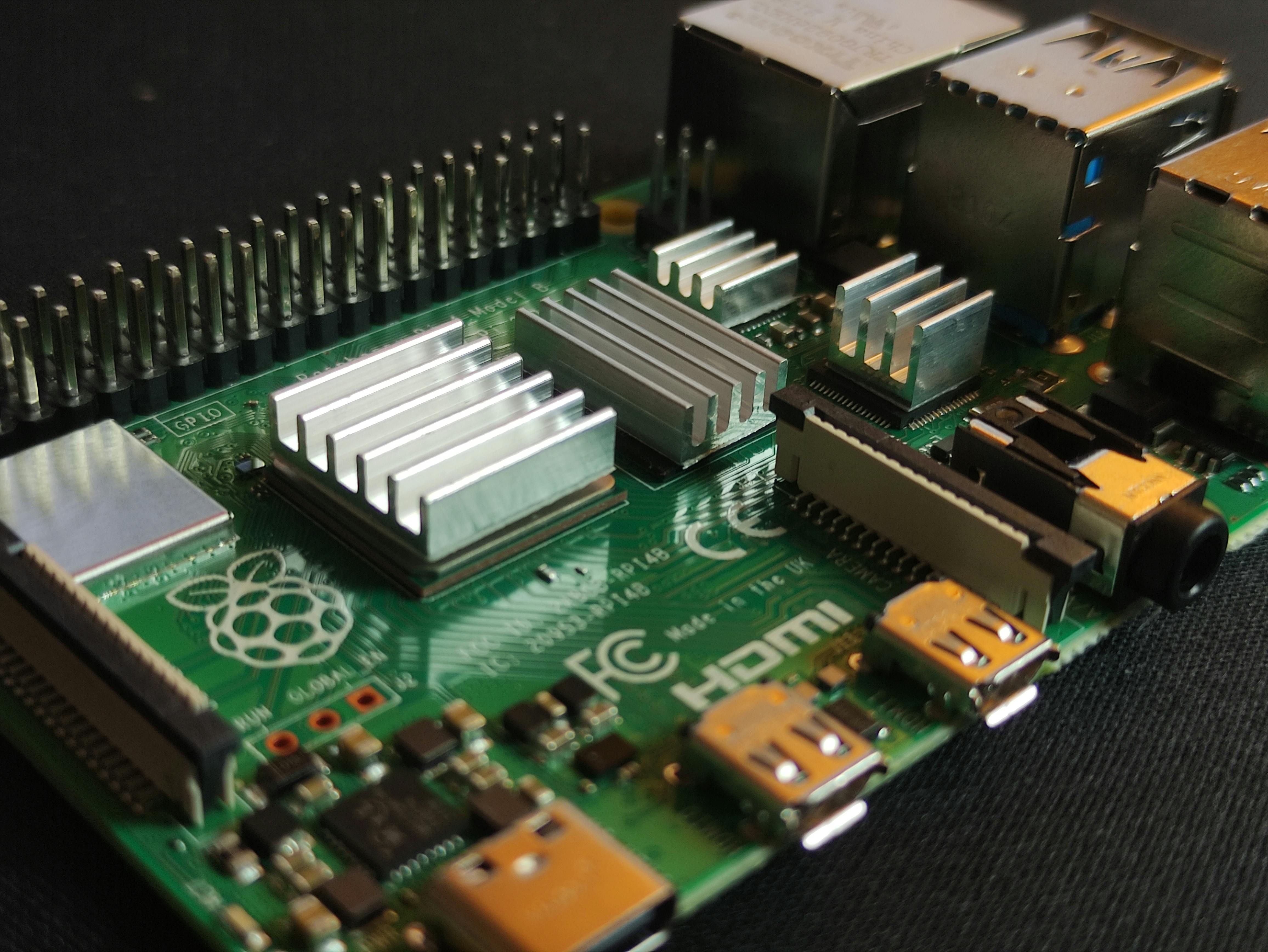
 Close-up of a Raspberry Pi, a compact SBC often used for IoT projects. It features a green PCB, metal heatsinks, USB ports, HDMI, audio jack, and GPIO pins.
Since its inception, the Raspberry Pi has evolved from an educational tool into a versatile platform for business and industrial applications. Its affordability, adaptability, and open-source nature make it an ideal solution for automation, data processing, and IoT infrastructure. Businesses are increasingly turning to Raspberry Pi for cost-effective and scalable solutions that drive efficiency and innovation.
Business Automation with Raspberry Pi:
Automation is one of the most impactful ways Raspberry Pi is being used in business settings. Its small size and low power consumption allow it to integrate seamlessly into existing systems without requiring expensive infrastructure upgrades.
For example, businesses use Raspberry Pi to automate inventory management by connecting it to barcode scanners or RFID readers. A Raspberry Pi-based system can automatically update stock levels and notify warehouse staff when inventory is low, reducing manual effort and minimising human error.

In smart offices, Raspberry Pi can also control lighting and security systems. For example, the Raspberry Pi can be programmed to turn off lights when no motion is detected or to send security alerts if an unauthorised person enters a restricted area. The combination of automation and real-time monitoring provides significant cost savings and increased security.
Raspberry Pi in Industrial IoT:
The manufacturing and industrial sectors have embraced Raspberry Pi for its ability to collect, process, and transmit data from sensors and machines. Raspberry Pi’s GPIO (General Purpose Input/Output) pins allow it to interface with industrial equipment, making it ideal for automation and real-time data acquisition.
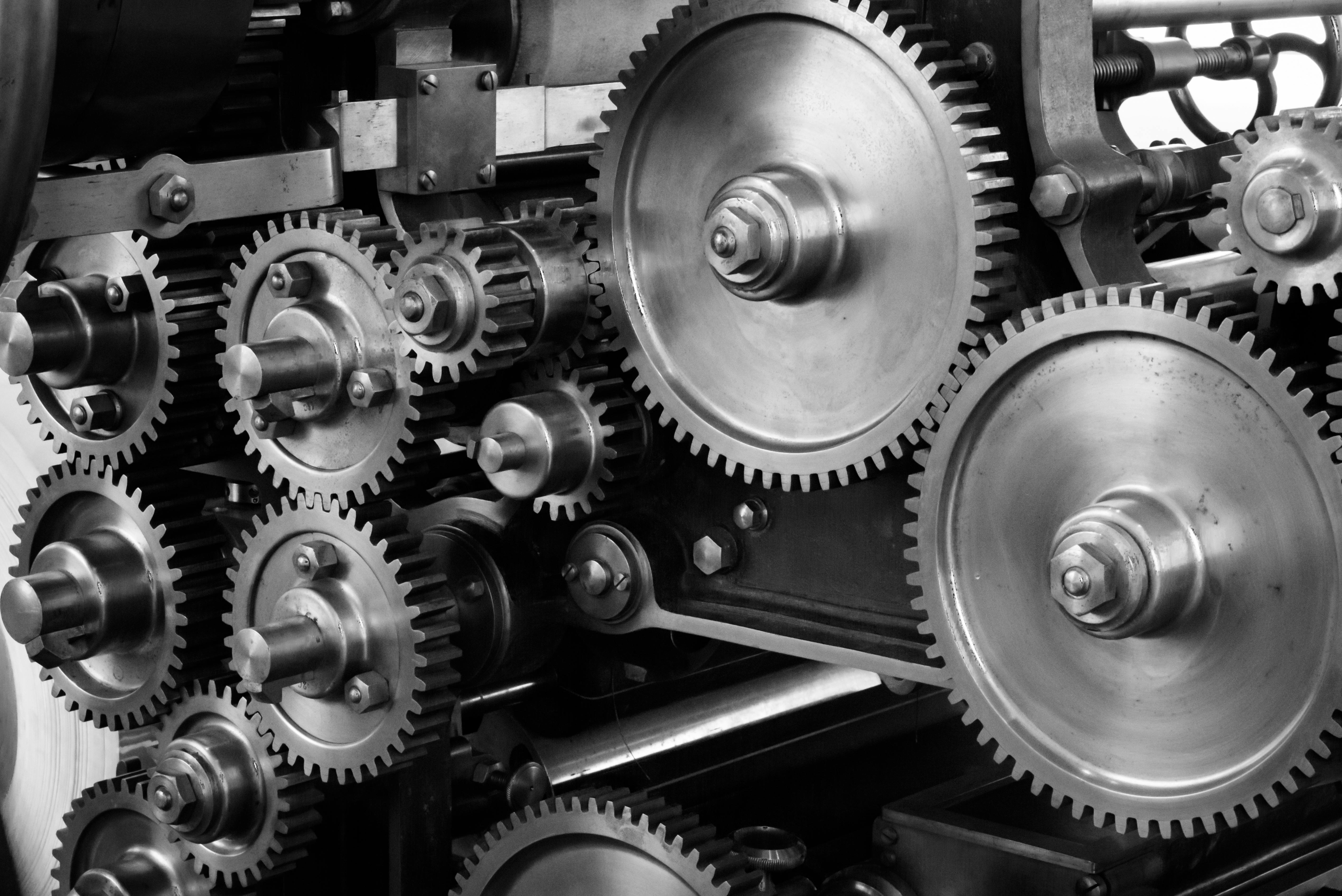
Remote Equipment Monitoring:
Industrial plants often have complex machinery that needs continuous monitoring to prevent failures. Raspberry Pi can be connected to vibration sensors and thermal cameras to detect early signs of equipment wear or overheating. If the system detects irregularities, it can automatically shut down machinery or alert maintenance staff before a costly failure occurs.
Process Control and Optimisation:
A case study by Kunbus shows how the RevPi Connect 5, based on the Raspberry Pi Compute Module 5, is used in industrial automation. It collects and processes data from production lines, providing insights into machine performance and enabling predictive maintenance. This reduces downtime and increases overall production efficiency.
Edge Computing and Data Processing:
One of Raspberry Pi's most valuable applications is its ability to manage data processing at the edge. Unlike traditional cloud-based systems, where data must be transmitted to a remote server for analysis, Raspberry Pi can process data locally. This reduces latency, improves response times, and minimises the risk of data loss during transmission.
Retail and Customer Insights:
In a retail setting, Raspberry Pi can track customer behaviour through video analysis and IoT sensors. For example, a Raspberry Pi-based system can monitor foot traffic and adjust digital displays or product placements in real time to maximise customer engagement. If a particular product section attracts more visitors, the system can increase promotions or adjust pricing accordingly.
Environmental Monitoring:
In smart cities, Raspberry Pi-based systems are used to monitor air quality, noise levels, and traffic flow. Data collected from sensors can be processed locally to adjust traffic signals or issue alerts for pollution spikes, providing real-time solutions without relying on central servers.
Cost-Effective Prototyping and Development:
Developing and testing new products or systems can be expensive, but Raspberry Pi allows businesses to create functional prototypes at a fraction of the cost of traditional hardware. Its support for widely used programming languages like Python and C makes it easy to develop and evaluate fresh solutions.
Hardware Prototyping
Startups and product development teams often use Raspberry Pi to assess new hardware designs. For example, a team developing a smart home device can connect sensors and actuators to Raspberry Pi to evaluate how they interact with each other before investing in final hardware production.
Software Testing
Raspberry Pi can also be used to simulate real-world environments for software testing. A software development team creating an IoT platform can use Raspberry Pi to generate sensor data and test how the platform manages different data inputs.
Training and Development
Many businesses use Raspberry Pi as a training tool for developers and engineers. Its low cost and flexibility allow teams to experiment with different configurations and programming languages without risking the damage of expensive hardware. This encourages innovation and rapid problem-solving.
Bringing It All Together with GB Logical
As we have explored, Raspberry Pi offers an expansive range of benefits for businesses in areas such as automation, IoT, data processing, and prototyping. Whether you are looking to automate your office environment, optimise production lines, or explore edge computing applications, Raspberry Pi serves as a powerful yet affordable solution.
At GB Logical, we understand the challenges and opportunities businesses face as they embrace technology to drive growth and innovation. Our expertise in building customised, scalable solutions tailored to your unique needs ensures that you are using the latest technology.
We invite you to explore our other insights and services here on the GB Logical website to discover how we can help your business leverage the power of cutting-edge technology like Raspberry Pi. Stay with us for more resources, solutions, and expert guidance to fuel your digital transformation.